(+94) 065 - 2224728
Donor : World Vision Lanka - Muthur DS Division
The Education of Child Protection and Child Rights among Children & IMPACT Plus
Overall, children were meaningfully engaged in program design, planning, and advocacy, and their voices were actively considered by adult decision-makers such as local government representatives, teachers, faith leaders, and CBOs. This inclusive approach enabled children to translate their ideas into tangible community actions and strengthened accountability within local systems.
During FY25, the Area Programme (AP) made significant progress in empowering children, families, and communities to ensure protection, participation, and well-being. Through targeted interventions, including Impact Plus Clubs, SNC modules, Community Service-Learning Projects, Child Rights Awareness programs, and positive parenting, the AP has strengthened resilience, leadership, and social responsibility among children. Families and communities were actively engaged in advocacy, positive parenting, and child protection practices, leading to improved household environments, strengthened social cohesion, and enhanced satisfaction with local services. Notable success stories, such as Rathiba’s transformation through the Impact Plus Club and leadership at the district level, highlight the tangible and sustainable impact of AP interventions on both children and caregivers.
Outcome 54: Girls & Boys are resilient for their protection and are engaged in positively influencing their society
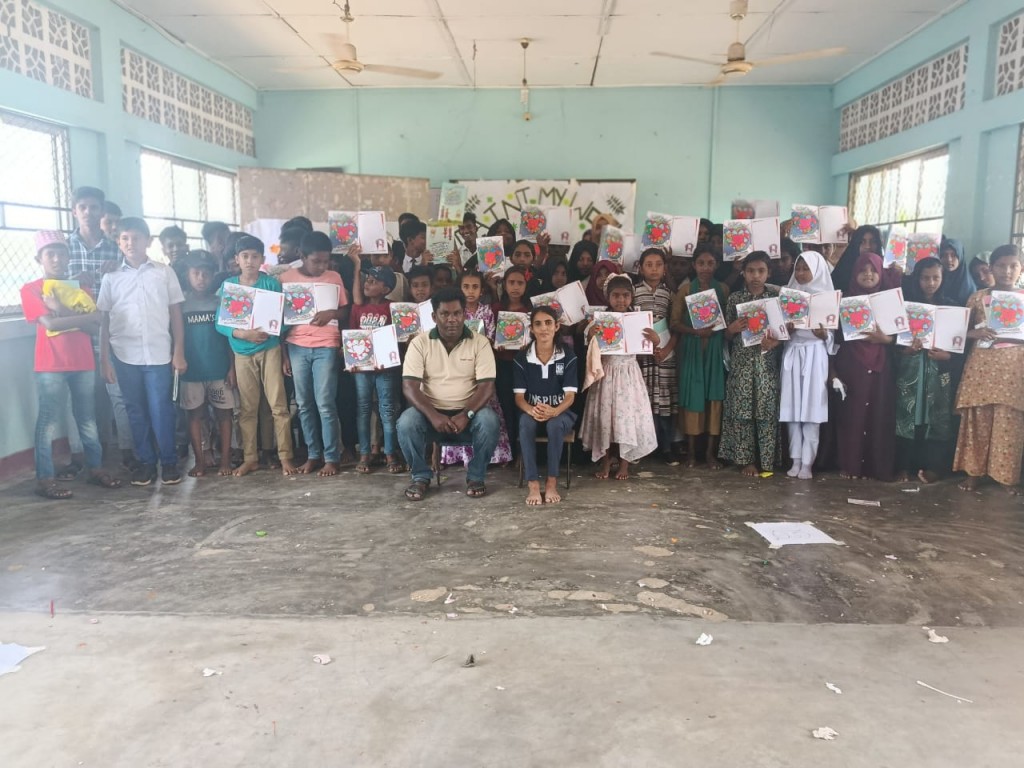
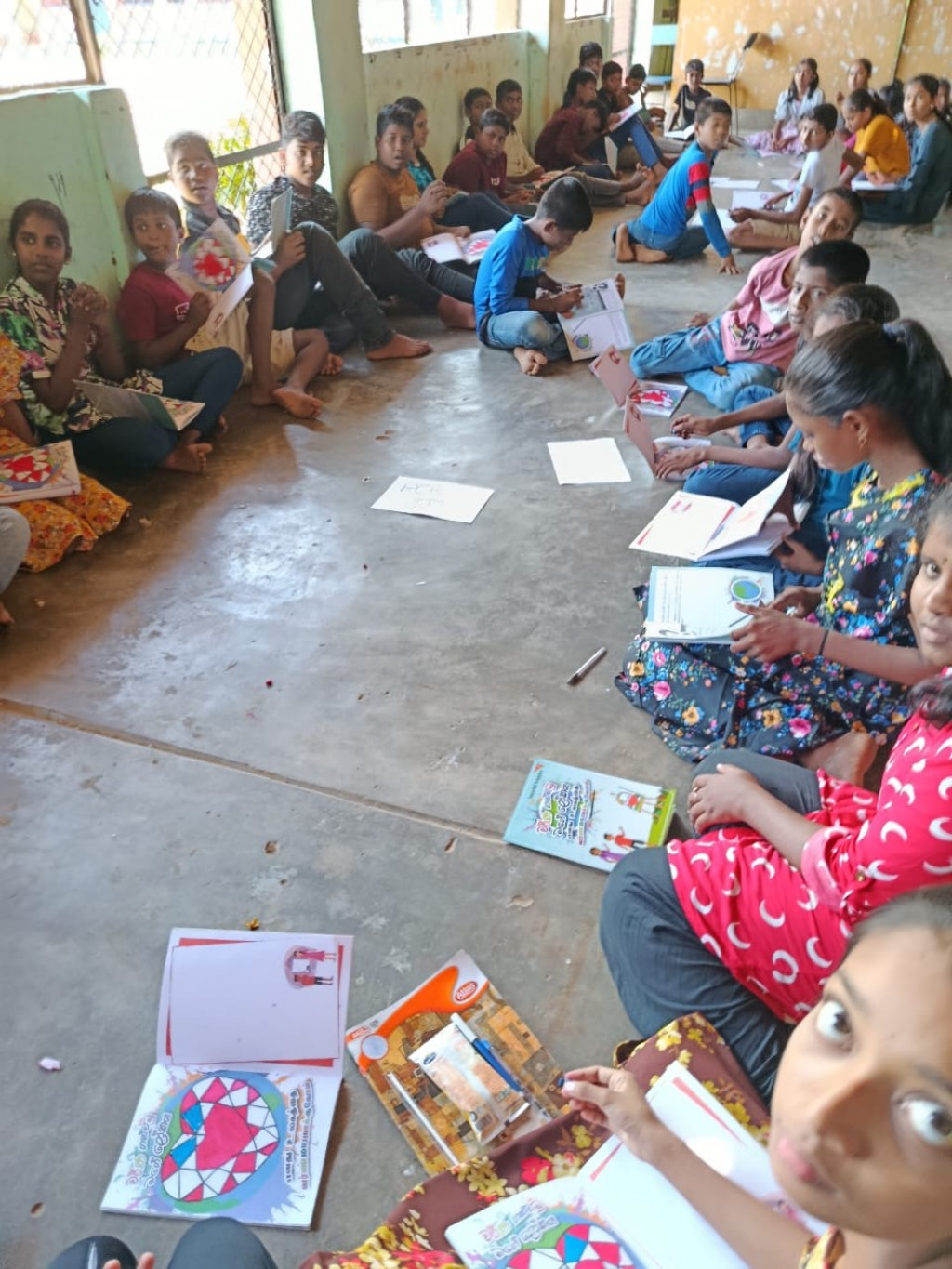
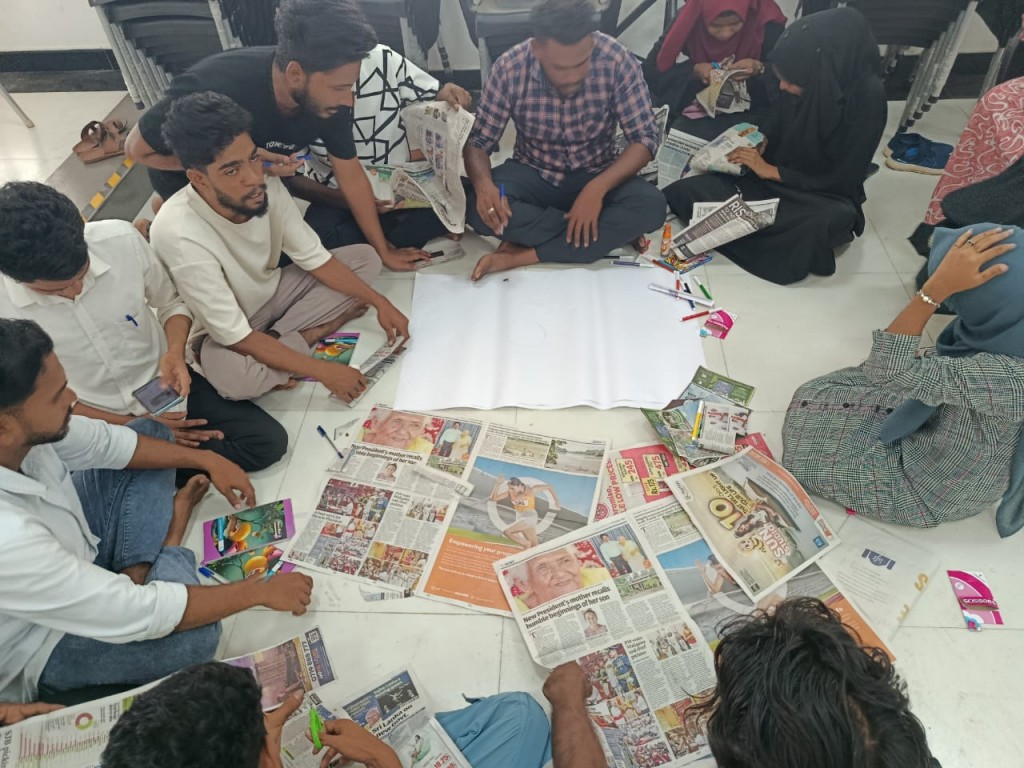
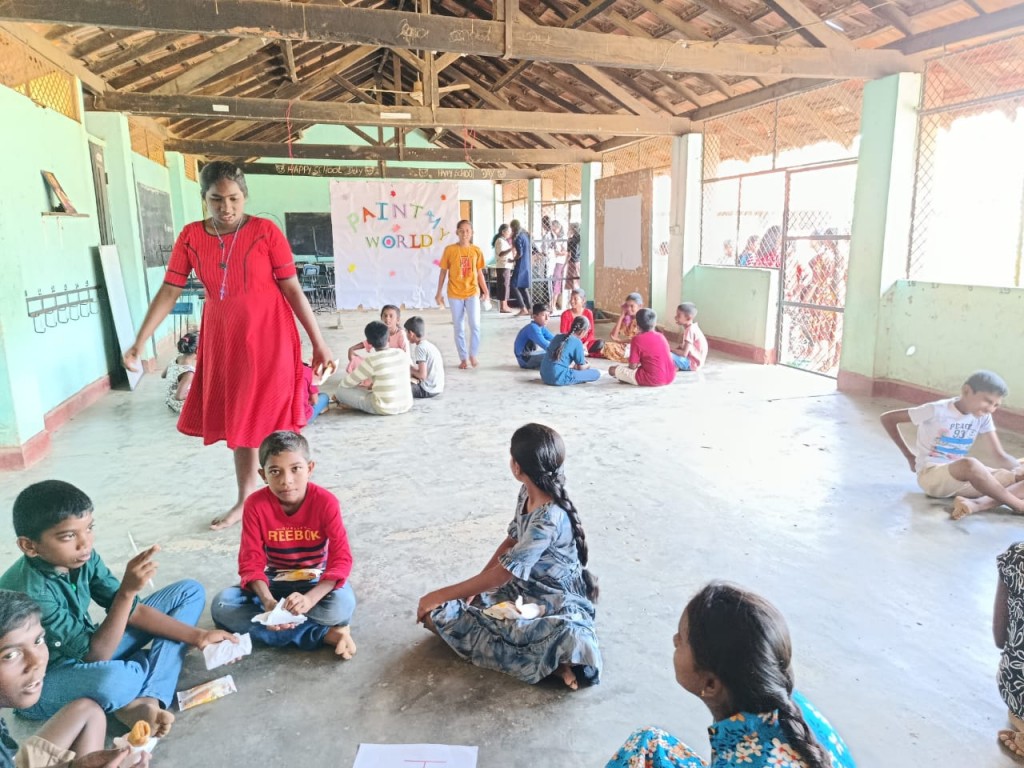
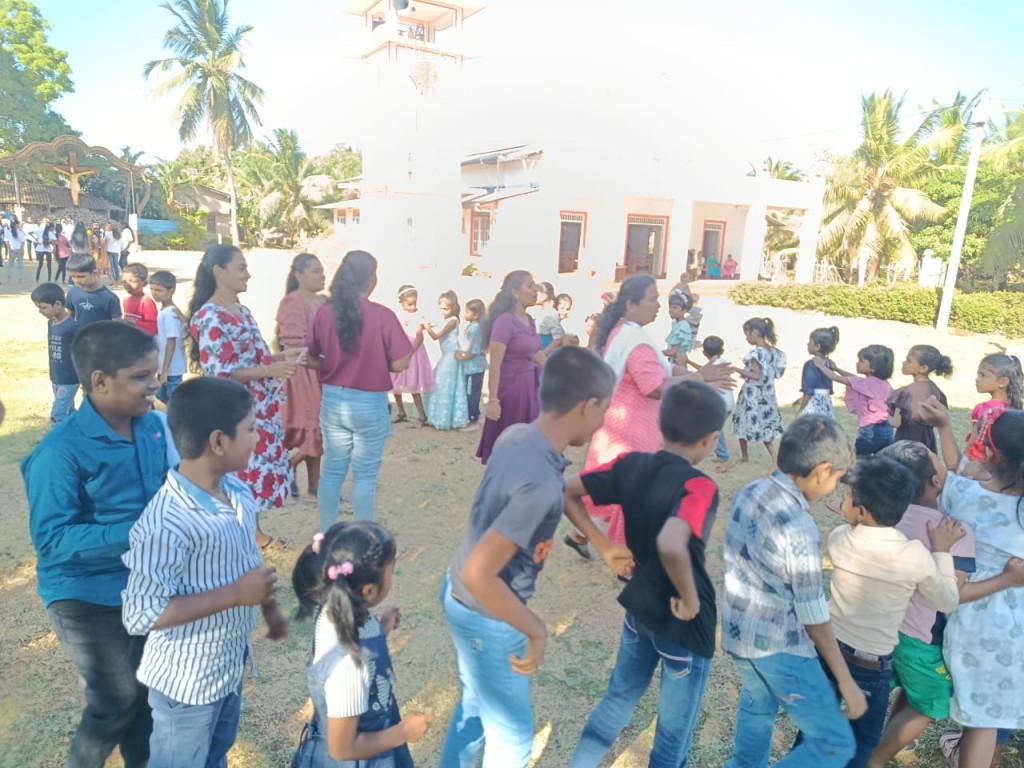
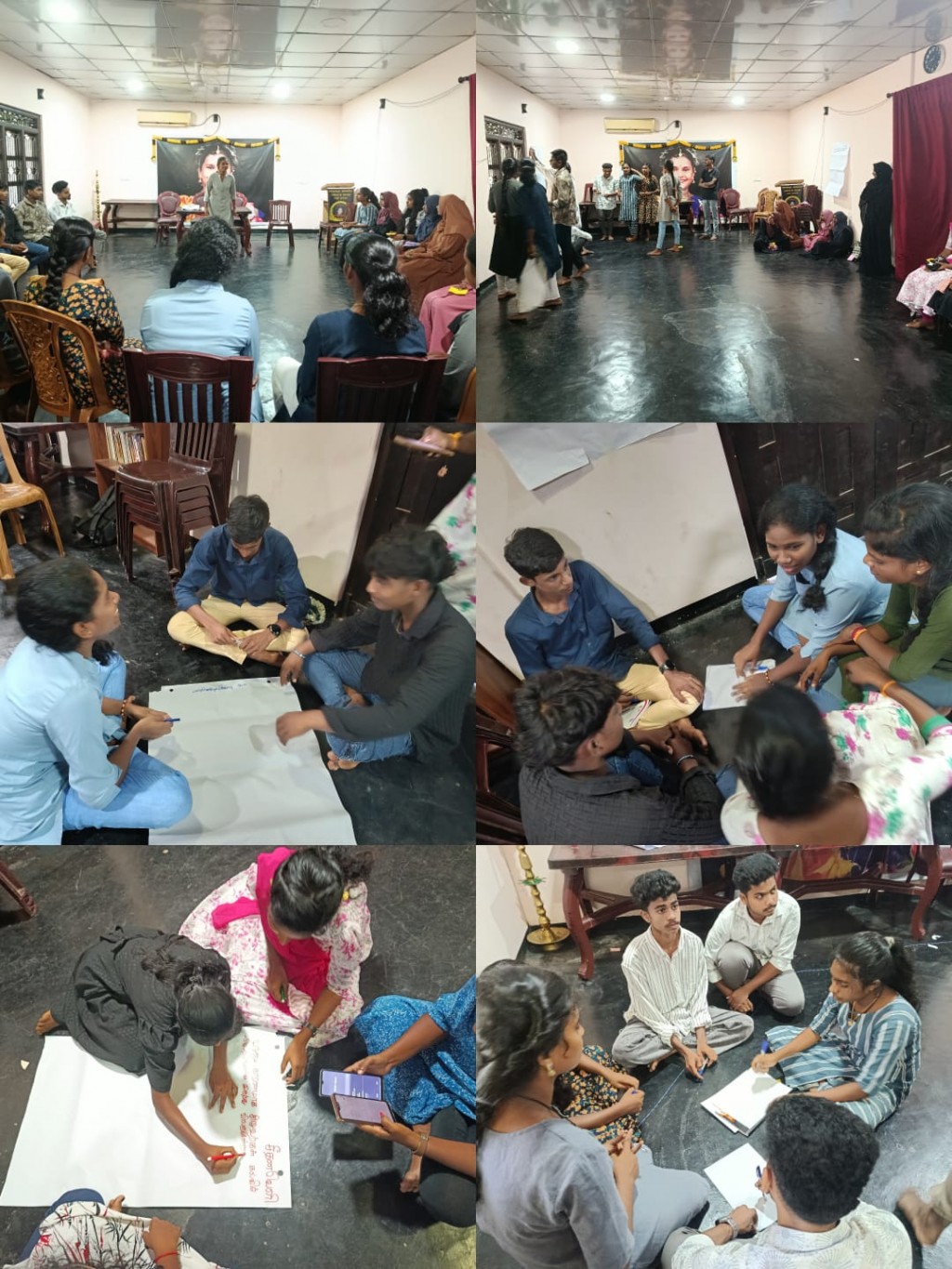
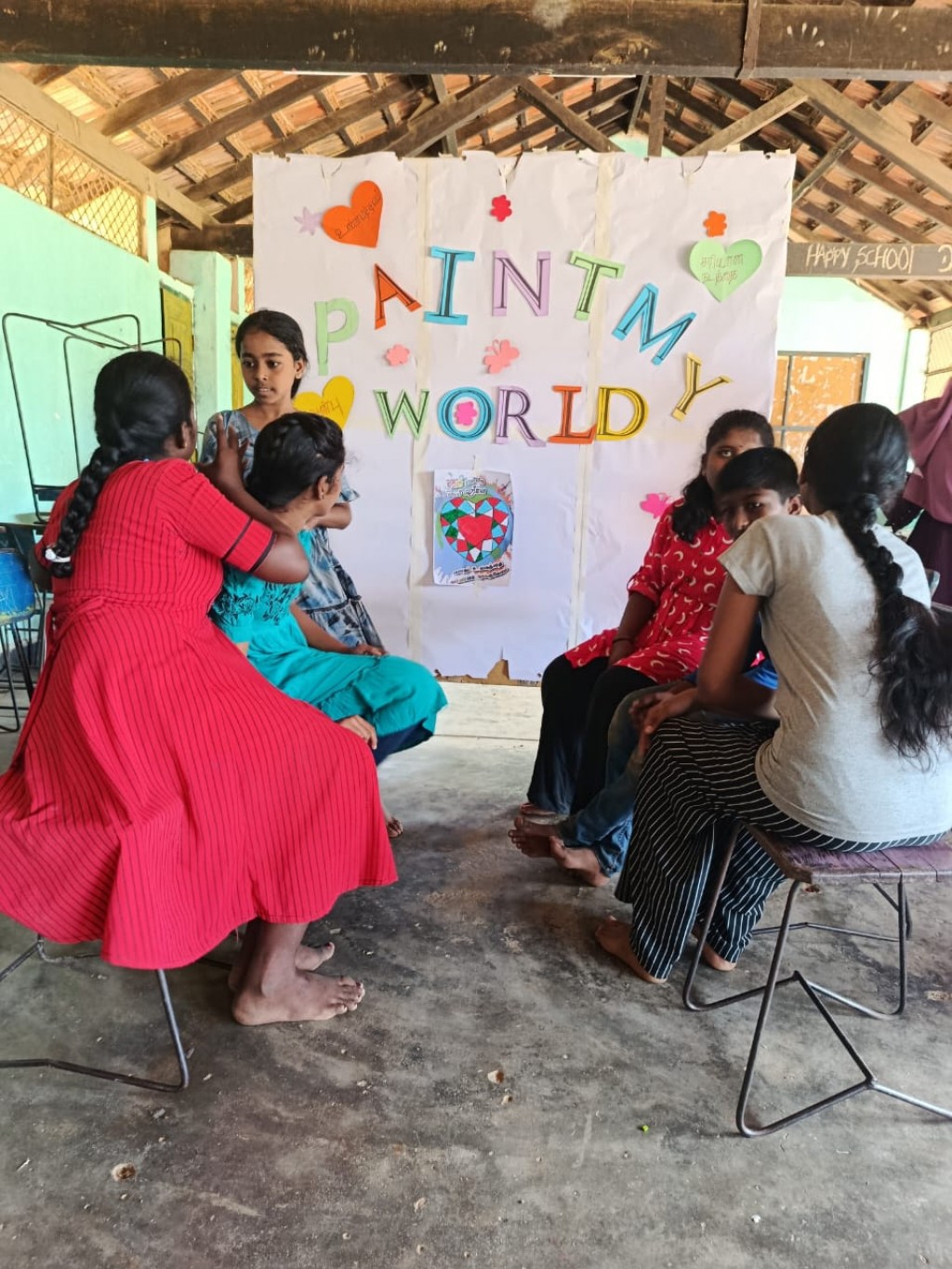
During FY25, the AP implemented initiatives to strengthen children’s resilience, leadership, and social responsibility. A comprehensive awareness program on child rights and responsibilities reached 445children (B-232, G-213), resulting in an 89.89 % increase in knowledge. SNC modules, including Born to Fly, paint my world and Dare to Discover, were delivered to 804 children (B-376, G-428), fostering hope, confidence, and perseverance. Impact Plus Clubs enrolled 322 children (B-159, G-163) across 40 clubs, equipping adolescents with leadership skills and boosting their confidence. Through 60 CSLP projects, children addressed critical issues such as drug usage, School dropout, and Stress free. CAY-led research in Muthur engaged 23 children in analyzing community drug use, while CSLP initiatives included blood donation drives, tree planting, and other community service actions.
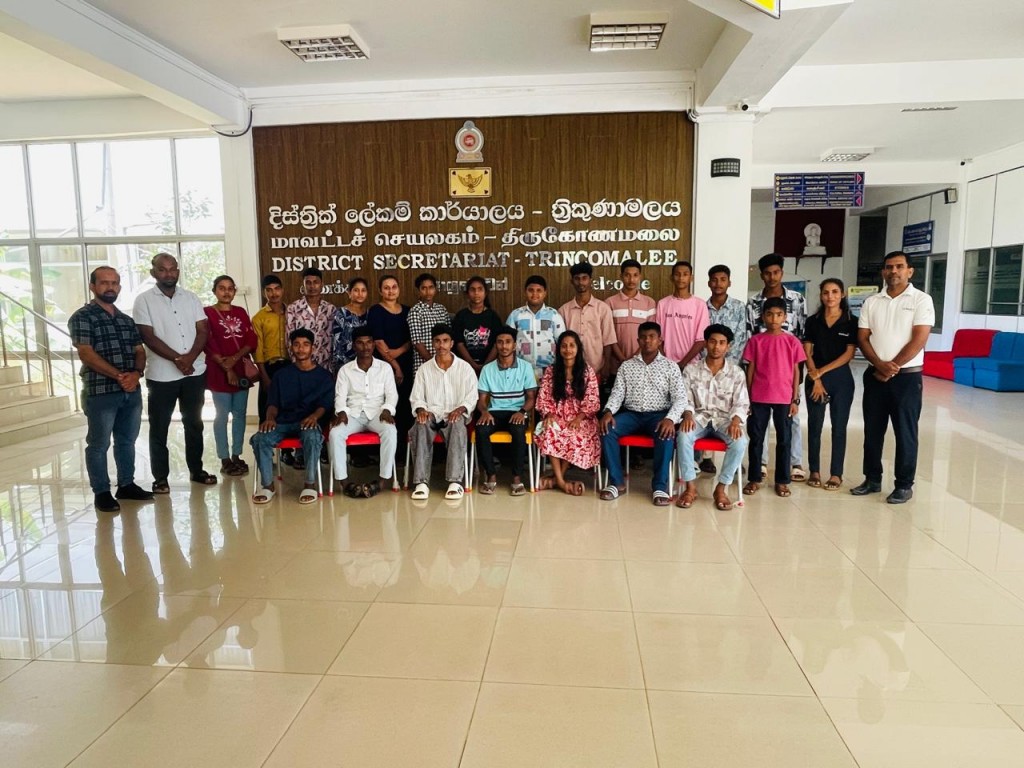
As Rathiba, 16, shared, “I was very shy and afraid to take on responsibilities. Joining the Impact Plus Club helped me build confidence and leadership skills. Now, I not only participate actively but also serve on the district-Level Children’s Club, guiding my peers and contributing to research and advocacy. I feel proud of how much I have grown.”
Outcome 55: Children experiencing improved care and protection within a child-friendly, inclusive, and gender-responsive household
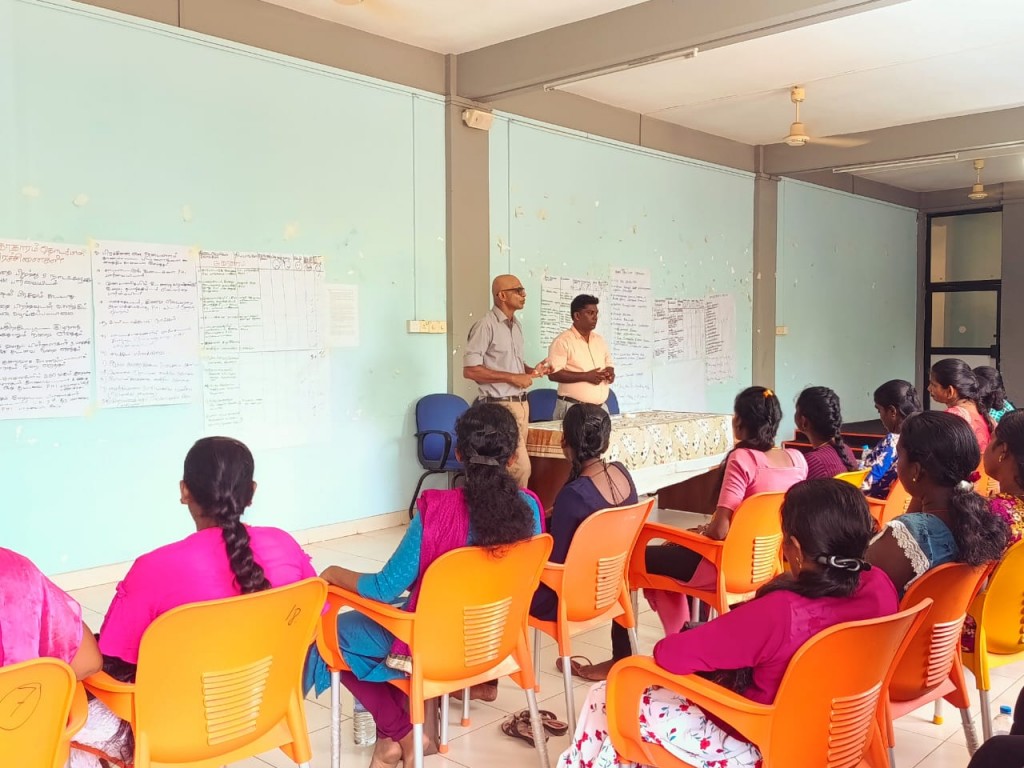
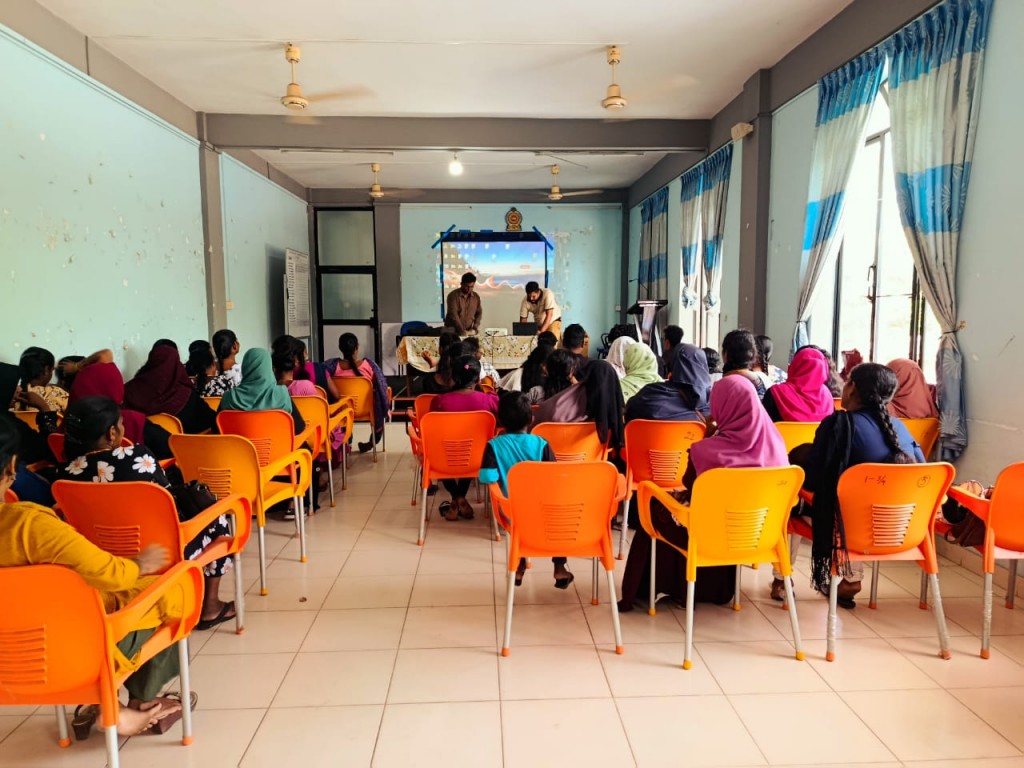
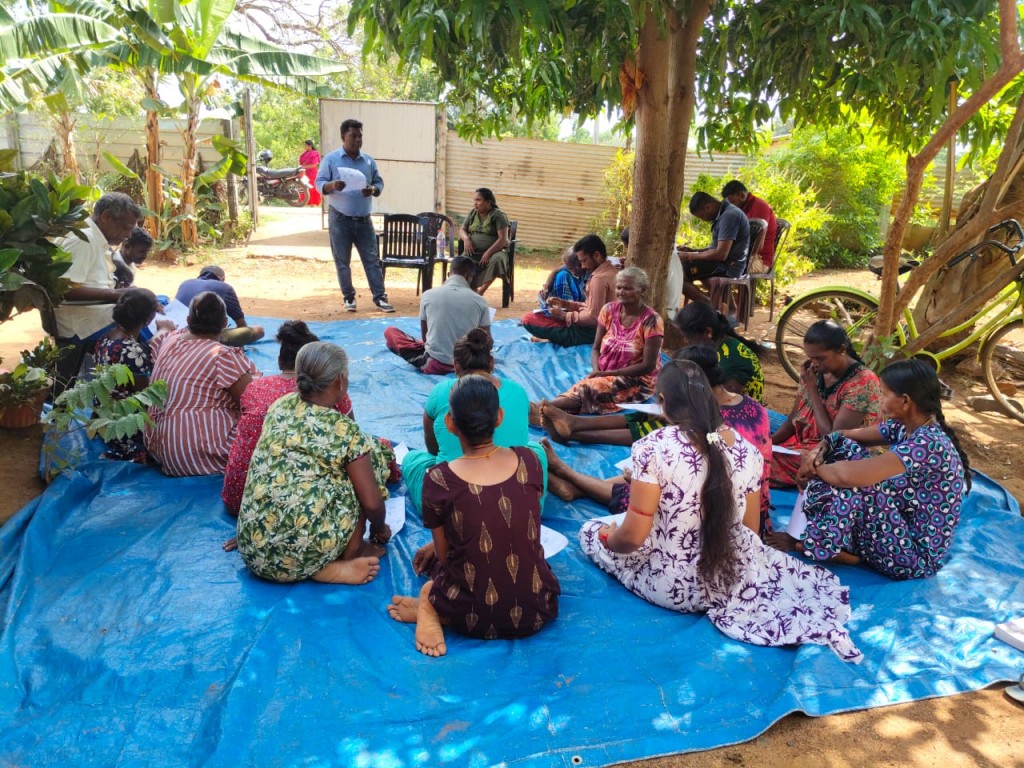
To strengthen care and protection at the household level, the AP implemented the “positive parenting” program, reaching 1213 families. This program promoted positive parenting approaches and strengthened parent-child relationships, fostering a nurturing and peaceful home environment. Additionally, the Child Rights Awareness Program trained 859 (Male- 135, Female- 724) parents and caregivers on their responsibilities for child protection, social accountability, and inclusive practices. Monitoring findings indicate children reported positive and peaceful relationships with their parents or caregivers the effectiveness of family-focused interventions in creating safe, inclusive, and gender-responsive households.
Outcome 56: Children enjoy positive relationships with neighbors, families, and society within well-functioning systems, structures, and services
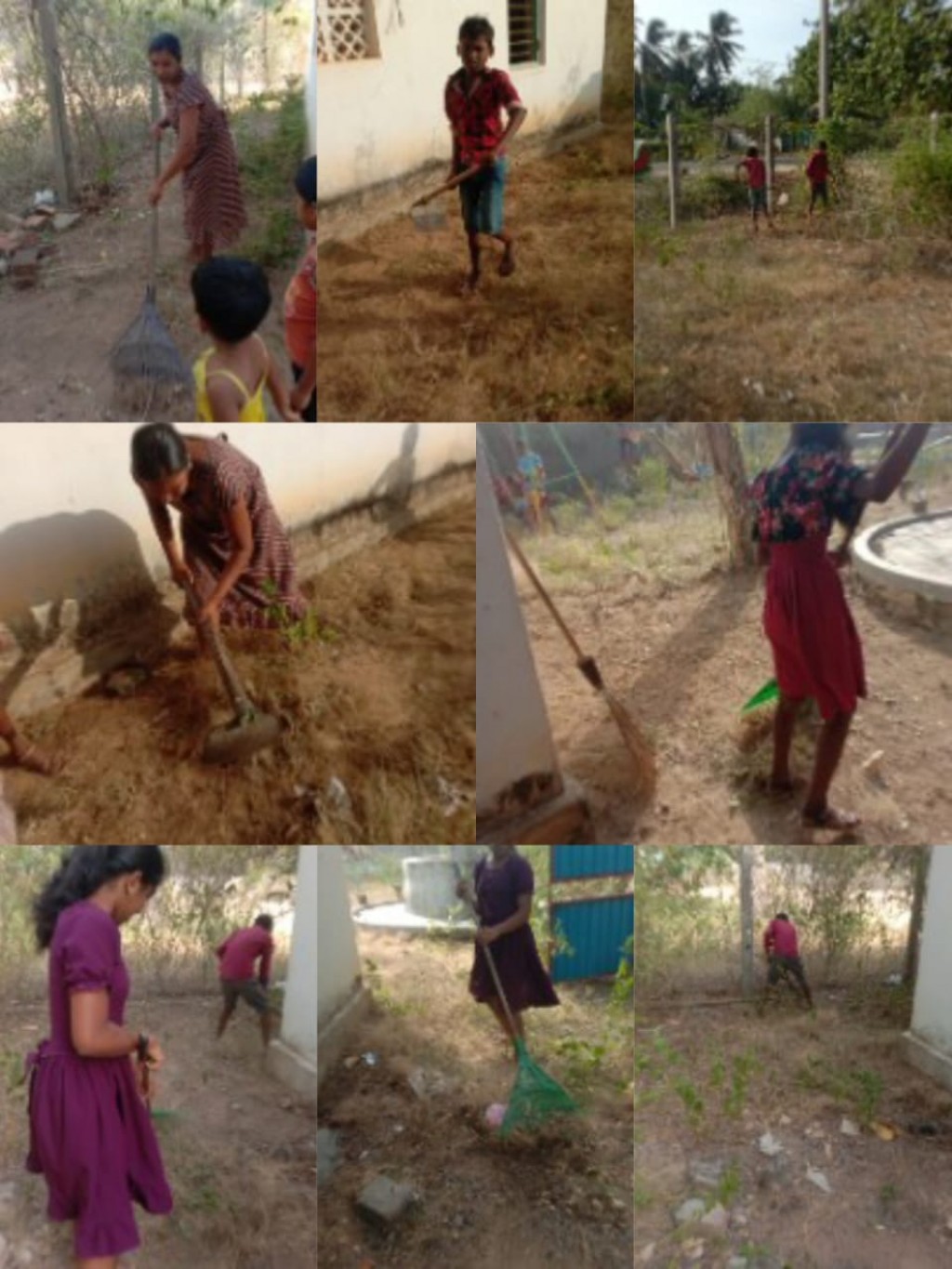
The AP strengthened community engagement, advocacy, and service linkages to promote broader social protection for children. CVA groups were empowered to lead community-driven advocacy initiatives, prioritize local issues, and voice concerns to government authorities. Interface meetings addressed critical service gaps. CSLP projects implemented by children addressed issues such as health, environment, and social welfare, with 167 (RC Boys-43, RC girls- 65) children participating in initiatives including blood donation drives, awareness for school dropout, and Waste management programme. Outcome monitoring showed community members were satisfied with the child protection services provided, reflecting strengthened systems, effective partnerships, and improved child well-being
During FY25, children’s participation continued to be a central focus of the AP, empowering them to contribute to decisions and take action on issues affecting their lives. Through CSLPs, Impact Plus clubs, micro-projects, child-led community initiatives, and Annual Community Review and Planning, children were given platforms to express their views and influence change. A total of 17 children (B-12, G-9) actively engaged in the ACRP process, providing feedback that directly informed program priorities for FY26. Impact Plus modules enabled 322 children (B-159, G-163) and children club 1090 children (B- 502, G- 588) to develop leadership, confidence, and social skills, motivating them to participate in decision-making within households, schools, and communities. Children-led research initiatives on issues such as substance abuse engaged 23 children (B-12, G-11), who successfully advocated for solutions at community and local government levels. Additionally, 60 CSLPs were conducted through 40 mandatory clubs and 20 optional clubs, reaching 266 children (B-131, G-135), equipping them with practical skills and knowledge on child rights, protection, and advocacy. SNC sessions reached 804 children (B-376, G-428), supporting spiritual development and personal growth. Children’s voices were respected and considered by adult decision-makers, including local government representatives, teachers, faith leaders, and CBOs. For instance, children of the Overall, children were meaningfully engaged in program design, planning, and advocacy, translating their ideas into tangible community actions